Safe Working in Confined Spaces
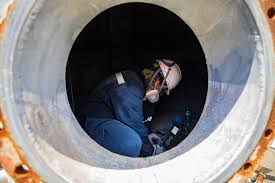 Are you curious about workplace safety, especially in environments where space is limited? The Safe Working in Confined Spaces course equips employees with foundational knowledge and practical skills to identify, assess, and respond to the hazards found in confined work areas.
What You Will Learn
- Introduction to Confined Spaces: Understand what constitutes a confined space and why these environments pose unique risks.
- Hazard Identification: Learn to spot common dangers, including toxic atmospheres, fire risks, and limited entry or exit routes.
- Legal Responsibilities: Gain knowledge of the laws, standards, and regulations that govern safe work practices in confined spaces.
- Key Safety Procedures: Explore critical methods such as atmospheric testing, ventilation, and lockout/tagout protocols.
- Emergency Response: Prepare for emergencies with strategies for rescue planning and coordination with safety teams.
Why Take This Course?
- Engage in hands-on, scenario-based learning designed specifically for students.
- Build analytical skills by evaluating real-life case studies.
- Develop a solid foundation for further study or careers in occupational health and safety.
Whether you are new to safety concepts or aiming to strengthen your workplace awareness, this course offers the essential knowledge needed to work confidently and responsibly in confined spaces.
Course Features
- Lectures 8
- Quizzes 8
- Duration Lifetime access
- Skill level All levels
- Language English
- Students 0
- Assessments Yes
- 4 Sections
- 8 Lessons
- Lifetime
Expand all sectionsCollapse all sections
- Understanding Confined Spaces and Their Unique RisksExplore what defines a confined space and understand why these areas present specific hazards in various workplaces.4
- Hazard Identification in Confined Work EnvironmentsDiscover how to spot and assess hazards like toxic atmospheres, fire risks, and access limitations in confined spaces.4
- Legal and Regulatory Requirements for Confined SpacesLearn the laws, standards, and responsibilities for ensuring safety in confined spaces as required by OSHA and other authorities.4
- Implementing Safety Procedures and Emergency ResponseMaster essential procedures such as atmospheric testing, ventilation, and coordinated emergency response for confined space safety.4
