Mastering HIRA: Continuous Risk Assessment in Workplaces
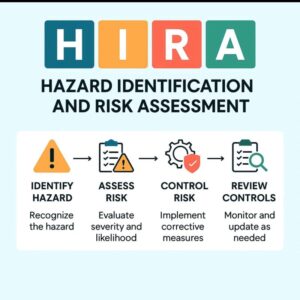
Are you ready to elevate your safety skills and confidently navigate risk in modern workplaces? Mastering HIRA: Continuous Risk Assessment in Workplaces is designed to empower students with in-depth knowledge and analytical skills essential for today’s dynamic work environments.
- Legal and Specified Requirements: Begin by exploring foundational legal and regulatory obligations for continuous risk assessments. Understand what laws mandate, and discover how compliance ensures not only safety, but organizational trust and sustainability.
- Preparation Techniques: Learn to prepare for each stage of the risk assessment process. Dive into gathering data, selecting tools, and defining assessment parameters to guarantee a thorough and systematic approach.
- Executing Assessments: Gain hands-on experience in conducting real-time HIRA processes. Analyze potential hazards, evaluate risks, and leverage best practices for risk documentation and communication.
- Remedial Action and Follow-up: Develop strategies for initiating timely corrective measures and implementing effective follow-up procedures. Discover how continuous improvement is nurtured through proactive risk management.
By the end of this course, you’ll be equipped to conduct incisive hazard identification and risk assessments, initiate systematic remedies, and lead your team toward a safer, regulation-compliant workplace. Class content is visually organized, interactive, and tailored for student engagement—enroll today to master the science and art of HIRA!
Course Features
- Lectures 16
- Quizzes 4
- Duration 35 hours
- Skill level All levels
- Language English
- Students 26
- Assessments Yes
- 4 Sections
- 16 Lessons
- 1 Day
Expand all sectionsCollapse all sections
- Legal Frameworks for Continuous Risk AssessmentExplore legal and specified requirements under OHSA 85, 1993 for continuous workplace risk assessments.5
- Preparing for Effective Continuous Risk AssessmentDiscover how to set up for success: gathering data, selecting tools, and defining clear assessment parameters.5
- Conducting Continuous Hazard Identification & AssessmentMaster hands-on processes for identifying hazards, analyzing risks, and documenting findings in real-time.5
- Initiating Remedial Action and Risk Assessment Follow-upLearn to develop, implement, and monitor control measures for ongoing safety improvements.5
